Farming for the Future — Practicing and Pursuing Organic Agriculture in Bhutan
Hello everyone,
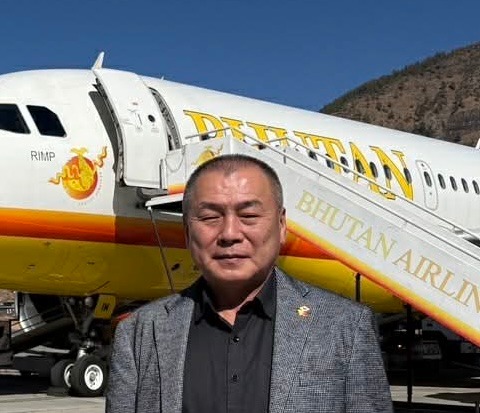
My name is Katsuhiro Terunuma, Representative Director of T-Farm Co., Ltd.
For many years, I have been deeply involved in organic agriculture in Japan—cultivating sweet potatoes across 75 hectares without fertilizers or pesticides, and producing dried sweet potato (hoshiimo). Beyond production, I have also worked in distribution and sales, building meaningful connections between those who grow food and those who consume it.
Through these experiences, one belief has steadily grown stronger within me:
farming is not simply production—it is the work of building the future.
What I Learned in Japan
My family has been growing sweet potatoes since around 1900. In 1962, my father established our company with a simple goal—to harvest more and earn more.
At that time, we farmed without pesticides. However, after introducing chemical fertilizers, our crops began to suffer from wilt disease within just a few years. To control this, we turned to pesticides. Then insects appeared, requiring even more chemicals. Gradually, the use of agrochemicals increased year by year.
A major turning point came when we became an incorporated agricultural business. Japanese law requires workers to wear gas masks while applying pesticides. Seeing my team working in those conditions, I could not ignore a pressing question:
Is this really acceptable?
I realized I needed to protect the health of the people working alongside me.
Transitioning away from pesticides was not easy. Weed management, in particular, was a significant challenge. Yet through this struggle, I discovered something profound:
Weeds are not the enemy.
Their roots naturally till the soil. They draw nutrients from deep underground and bring them to the surface. They provide shelter for countless small organisms. In truth, weeds are an essential part of the living ecosystem beneath our feet.
What truly matters is not eliminating weeds, but creating conditions where soil microorganisms can thrive. When diverse microbes are active, the soil becomes a living system where crops flourish naturally—and weeds gradually recede.
This realization led me to farming without fertilizers or pesticides.
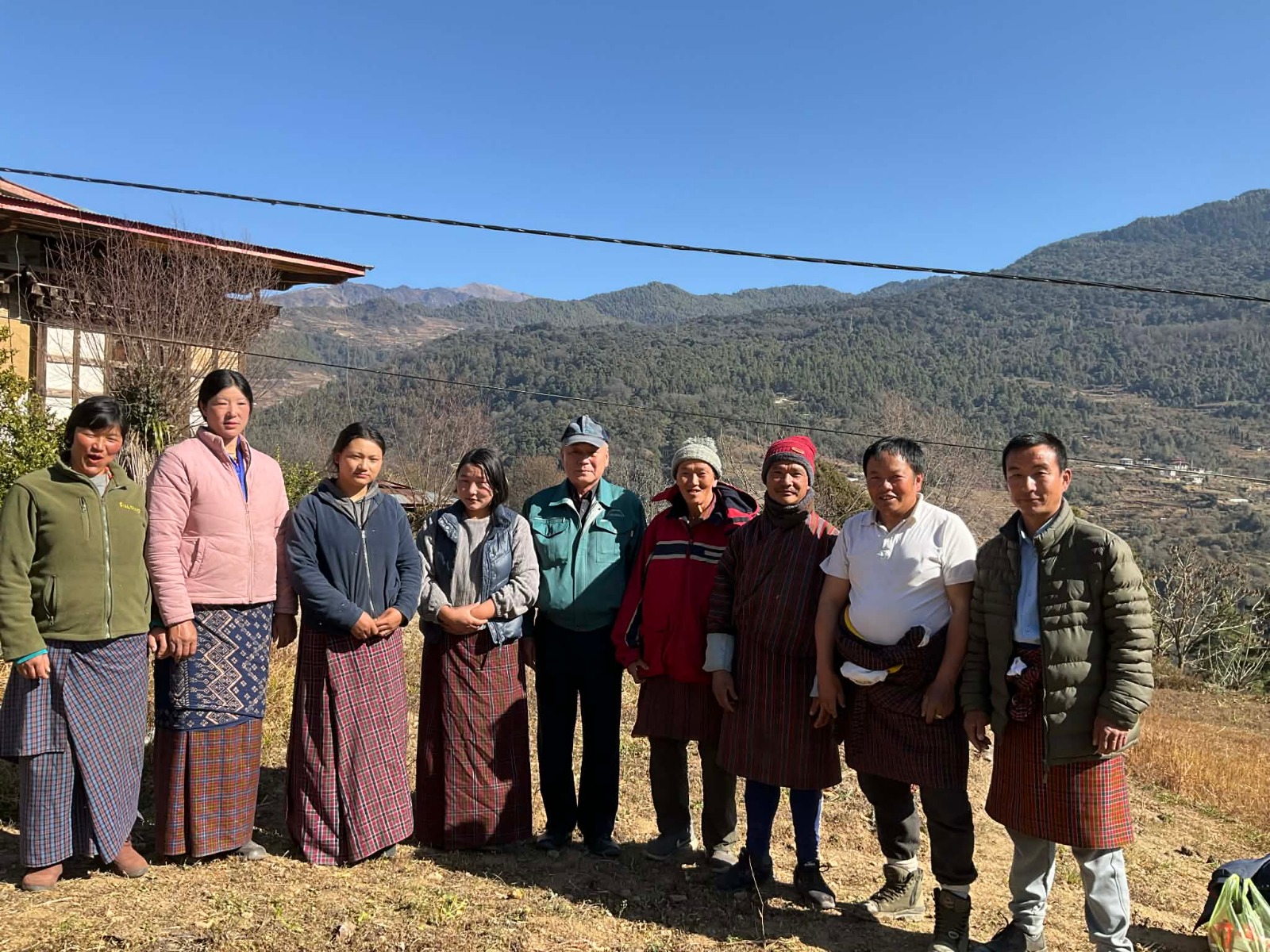
The Possibility I Found in Bhutan
When I first arrived in Bhutan, one thing struck me immediately:
the fundamental way of farming—the way it should be—still exists here.
• A way of life in harmony with nature
• A deep respect for soil and water
• A profound reverence for life
These are values that no technology alone can create.
Bhutan’s soil also holds a remarkable advantage. Unlike Japan, it has not been exposed to decades of pesticides and chemical fertilizers. As a result, the land has suffered far less damage and retains much of its natural vitality. Its capacity to recover is high, and the conditions for organic agriculture are already present.
What Japan lost over sixty years, Bhutan still preserves today.
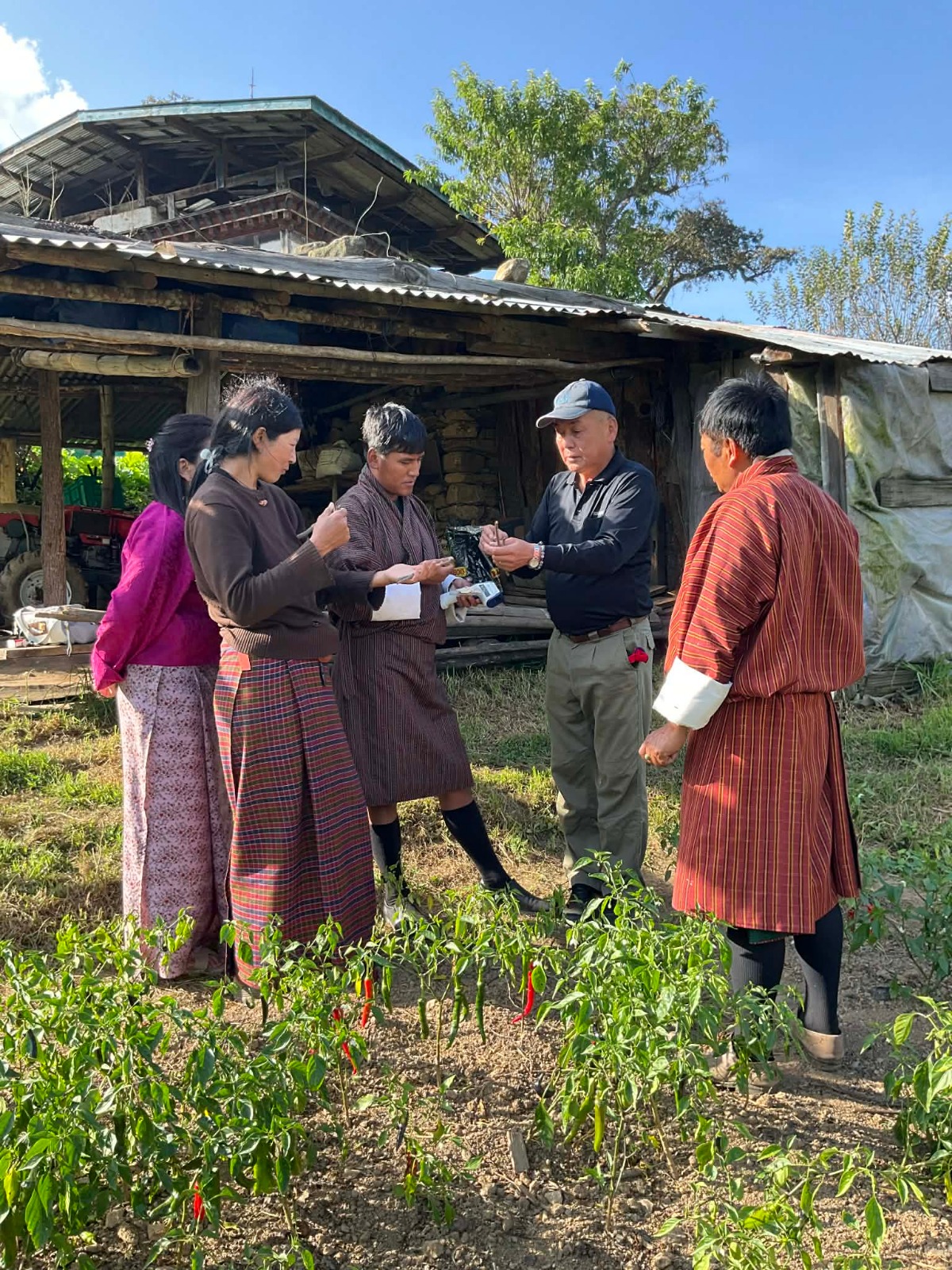
Organic agriculture is now a national priority in Bhutan—and that is precisely why I feel a strong sense of purpose in contributing to this journey.
Building Organic Agriculture from the Ground Up
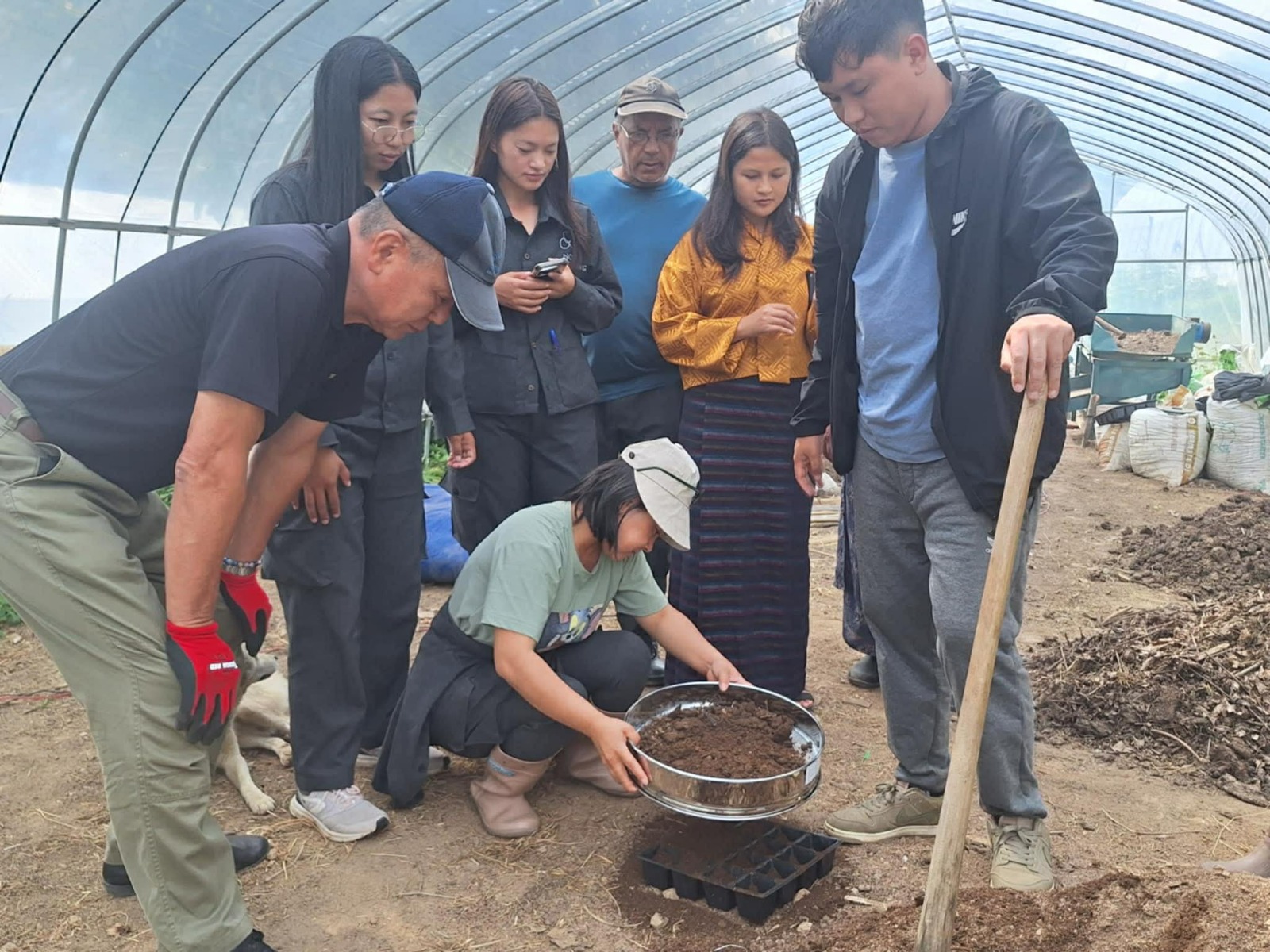
Our work is not simply about “going organic.” Instead, we focus on building strong and sustainable foundations through:
• Soil preparation
• Seedling cultivation
• Continuous refinement of organic farming techniques
There is nothing extraordinary about these steps. Yet it is this steady, patient accumulation of effort that creates lasting impact.
At NCOA Yusipang, we conduct daily research and collect data on organic cultivation. Every observation we record and every experience we gain becomes a building block for future progress.
Toward Farming That Can Last
Organic agriculture cannot rely on idealism alone.
While stable income is important, something even more essential lies at the core:
healthy soil.
Without living soil, no technique or effort can sustain agriculture over time. This is a lesson Japan has learned through generations of experience.
Healthy soil leads to consistent harvests.
Consistent harvests support farmers’ livelihoods.
And that stability is what can be passed on to future generations.
Everything begins with the soil.
That is why my goal is to build agriculture that endures—working together, starting from the field, with soil health at the center of everything we do.
Looking Ahead
Bhutan stands at a truly important crossroads.
This country holds a rare combination of natural resources, living soil, and generational agricultural wisdom—something that is increasingly difficult to find elsewhere in the world.
The future of agriculture must begin by valuing this foundation. Rather than relying solely on external solutions, I believe in drawing out Bhutan’s inherent strengths and exploring what a uniquely Bhutanese model of farming can become.
The knowledge I have gained in Japan, the lessons from the Tanzania hoshiimo project, and the ongoing research at NCOA Yusipang—I am committed to bringing all of this into the Bhutan Organic Project with full dedication.
I look forward to walking this path together with you.
With gratitude and warm regards,
